Hai Mauna, Juba, South Sudan +211 922 200 850 info@aldoss.org WhatsApp us
ALDO logo: a green wreath around fields, a river, family figures and a rising sun ALDOSOUTH SUDAN
Agrarian Livelihoods Development Organization · Juba, South Sudan

South Sudanese-led.
Community-owned.
Built to last.

The world's youngest nation faces the world's oldest emergencies: hunger, flood, displacement, and war on its border. ALDO exists because the answer will not be imported. It will be grown here, by the women, children, and farming families who call this land home.

Donate now See our work Chat on WhatsApp
The reality on the ground

A country of extraordinary promise, under extraordinary pressure.

Fertile land, young people, and rivers that could feed a region. Yet conflict, five consecutive years of historic flooding, and the war in neighbouring Sudan have pushed millions to the edge. These are the numbers behind the need.

7.1Mpeople facing acute food insecurity in recent IPC analyses
35 to 60%of fish, vegetables and dairy lost to spoilage without cold storage
2M+people internally displaced by conflict and climate shocks
3xa girl is more likely to die in childbirth than to finish secondary school

Understand the situation

Who we are

Founded by South Sudanese. Accountable to the people we serve.


ALDO is a national humanitarian and development organization built by South Sudanese professionals, peacebuilders, educators, gender advocates, and community leaders. Our founders carry decades of institutional experience across international agencies, now consolidated into a nationally owned vehicle rooted in the communities it works with.

We work across food security, livelihoods, education, health, water and sanitation, gender equality, climate resilience, and peacebuilding. Our vision is simple to state and hard to earn: progressive and resilient communities with sustainable livelihoods, improved quality of life, and equal opportunities for all.

Our story Fund the work
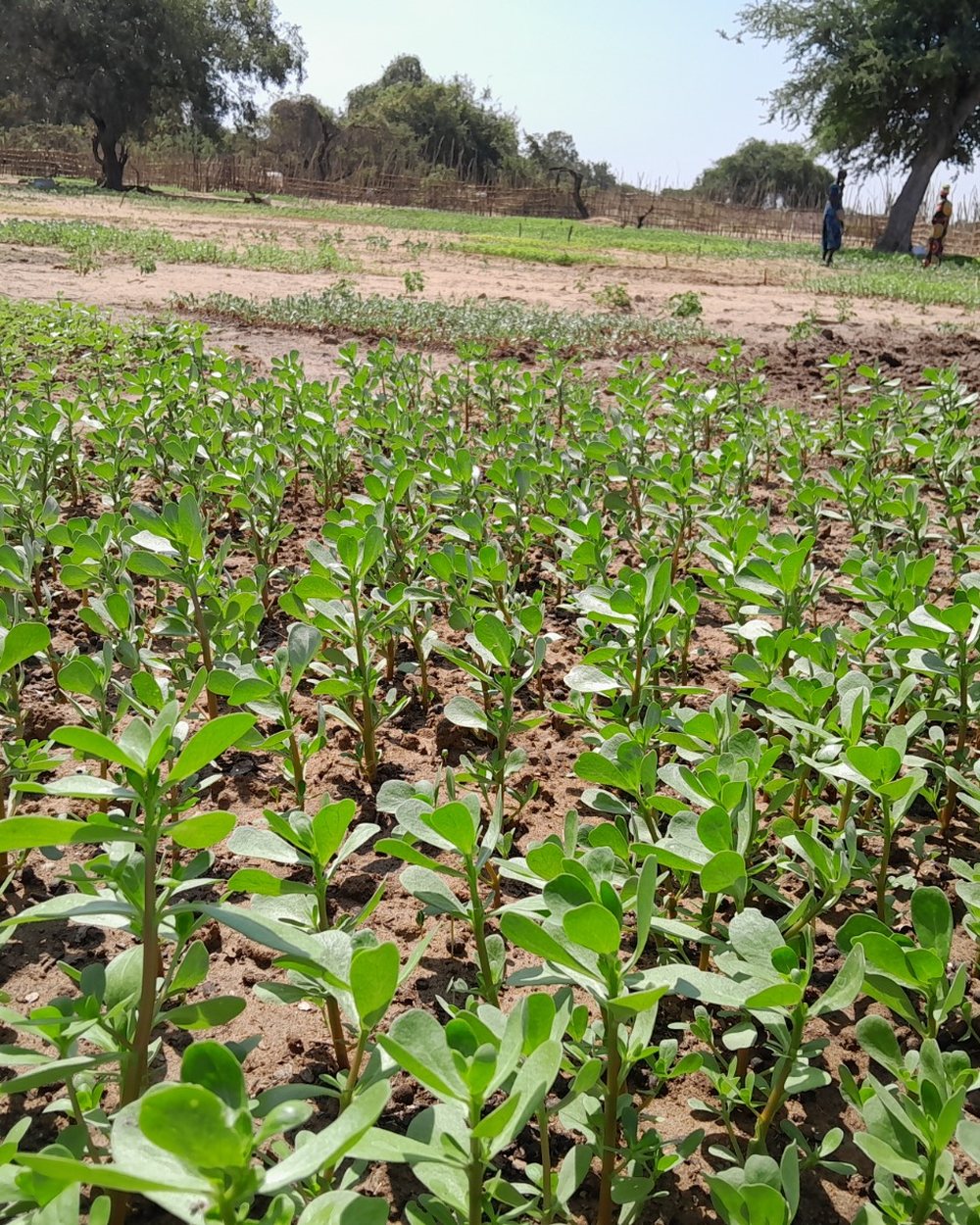
A woman farmer tending crops in a green field in South Sudan
Northern Bahr el Ghazal
Our strategic pillars, 2026 to 2030

Eight programs. One goal: self-reliance.

Each pillar reinforces the others, so that a gain in one place becomes a gain everywhere.

Livelihoods and food security

Income generating agriculture, livestock, savings groups, and financial inclusion for farming households.

Education and skills

Quality education for children, vocational training, and literacy for women and young people.

Health, nutrition and WASH

Primary healthcare, nutrition services, and safe water and sanitation for vulnerable communities.

Gender equality and protection

Women's leadership, GBV prevention and response, and protection of children's rights.

Climate resilience

Adaptation, disaster risk reduction, and sustainable agriculture for a warming, flooding world.

Peacebuilding and cohesion

Community dialogue, conflict prevention, and youth engagement in reconciliation.

Community empowerment

Local governance, civic engagement, and community driven development decisions.

Evidence and partnerships

Rigorous MEAL systems and strategic partnerships with UN agencies, government, and civil society.

Explore all programs

Hunger in South Sudan is not a mystery. It is a supply chain with missing pieces. Help us build them.

Your gift goes directly into cold storage, seeds, training, and protection for women and children, delivered by South Sudanese staff on South Sudanese soil.

Solar panels powering cold storage infrastructure in rural Africa
Flagship program
PRESERVE · Northern Bahr el Ghazal

Forty-eight hours. That is how long a harvest survives without cold.

Between 35 and 60 percent of the fish, vegetables, and dairy produced in Northern Bahr el Ghazal spoil within two days of harvest. No refrigeration. No market reach. No income. PRESERVE places producer owned, solar powered cold-chain hubs at anchor sites in Aweil, governed by the cooperatives that use them and built to survive flood, drought, and a fragile grid.

350
producer households in the pilot
2
anchor hub sites in Aweil
12
months to prove the model
Fund PRESERVE Read the full case
"We were losing everything at harvest. By the time we reached the market, half the fish were gone. If the cold room is ours, everything changes. Our families eat. Our children go to school."
Achol Deng
Fish producer, Aweil East, Northern Bahr el Ghazal

Behind every statistic is a household making impossible choices between food, school fees, and medicine. Your support removes the impossible from that sentence.

Give today Read stories from the field
Working with and toward
UN agenciesFAOUNICEFWFPUN WomenGovernment of South SudanRelief and Rehabilitation CommissionDevelopment partners

Every dollar goes further when the people doing the work are the people who live there.

Stand with South Sudan's women, children, and farming families today.

Donate now Partner with ALDO WhatsApp us