
We work where the need is sharpest and the potential is highest.
Eight integrated pillars, six states, one measure of success: communities that no longer need us.
Why South Sudan. Why now.
South Sudan became the world's newest nation in 2011, carrying the hopes of a people who had fought for generations for the right to govern themselves. Two years later, civil conflict tore through the young state. The 2018 revitalized peace agreement quieted the guns but not the consequences: institutions still forming, an economy still fragile, and millions still displaced from the homes and farms they once fed themselves from.
Then the water came. Five consecutive years of historic flooding have submerged farmland across the country, drowning harvests, livestock, and roads, and pushing families onto shrinking islands of dry ground. And since April 2023, war in neighbouring Sudan has driven hundreds of thousands of refugees and returnees across the border into communities that were already stretched past their limits.
The arithmetic of all this is stark. Roughly three in four South Sudanese need humanitarian assistance. Recent food security analyses place over seven million people, more than half the population, in acute food insecurity. Malnutrition stalks well over a million children under five. Maternal mortality remains among the highest on earth, and a girl is more likely to die giving birth than to complete secondary school.
Yet the deepest truth about South Sudan is not its crisis. It is its capacity. The land along the Nile and its tributaries is among the most fertile in Africa. The population is one of the youngest in the world. What is missing is not potential but infrastructure: storage that keeps a harvest alive, markets that pay a fair price, schools that stay open, and institutions that belong to the people they serve. That is the gap ALDO exists to close, and it is a gap your support closes with us.
The localization gap
The world's donors pledged years ago to channel resources directly to local organizations. By most estimates, well under five percent of humanitarian funding actually reaches national organizations directly. Funding ALDO is how that changes.
Close the gap: donate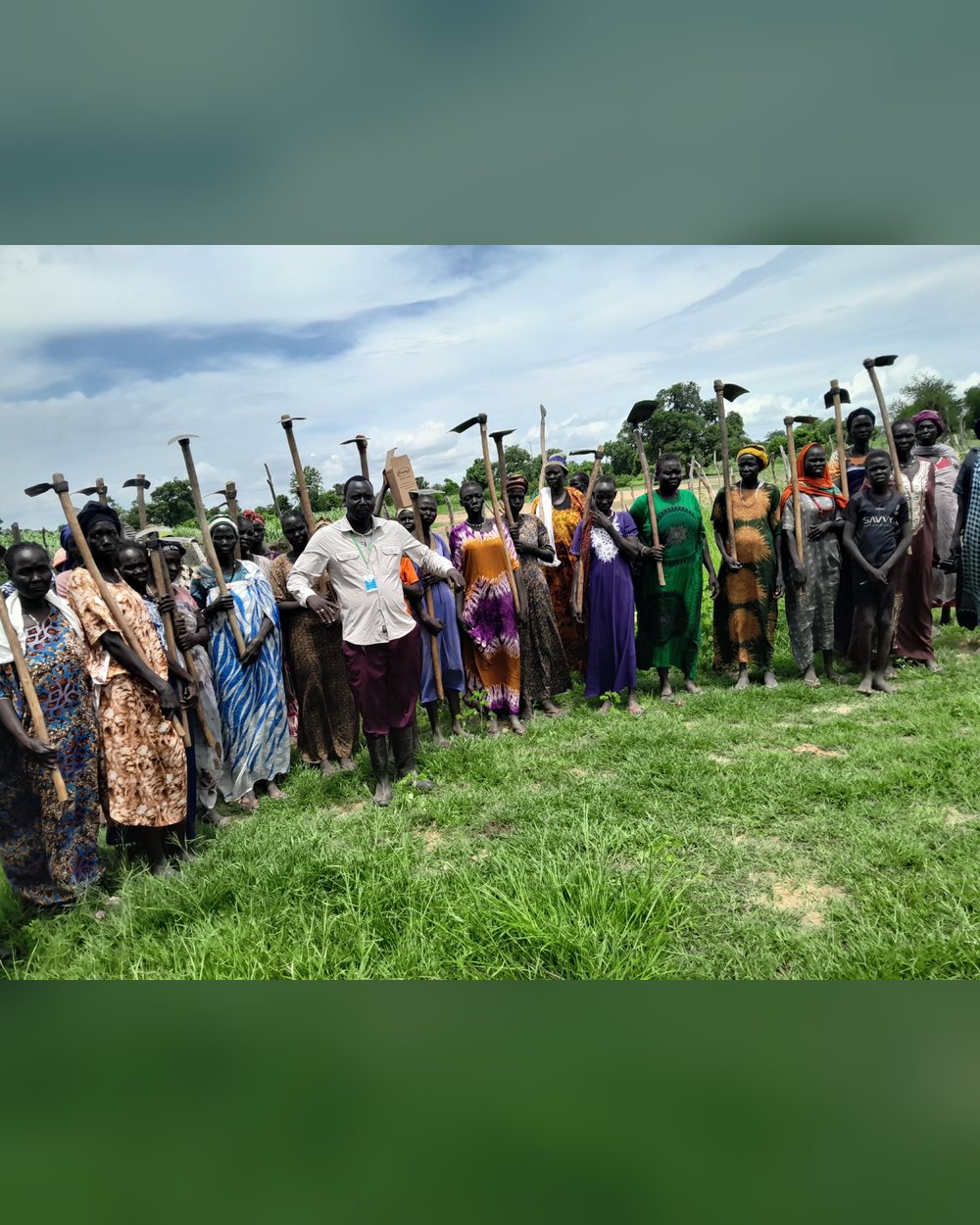
The eight pillars, in depth.
Community empowerment and participation
Strengthening community leadership and local governance structures, promoting community driven development and decision making, and enhancing civic engagement and social accountability mechanisms.
Education and skills development
Supporting access to quality education for children and youth, providing vocational training, entrepreneurship, and life skills, and promoting literacy and capacity building for vulnerable groups.
Health and well-being
Improving access to primary healthcare and nutrition services, promoting mental health and psychosocial support, and strengthening awareness on disease prevention, hygiene, and sanitation.
Livelihoods and economic empowerment
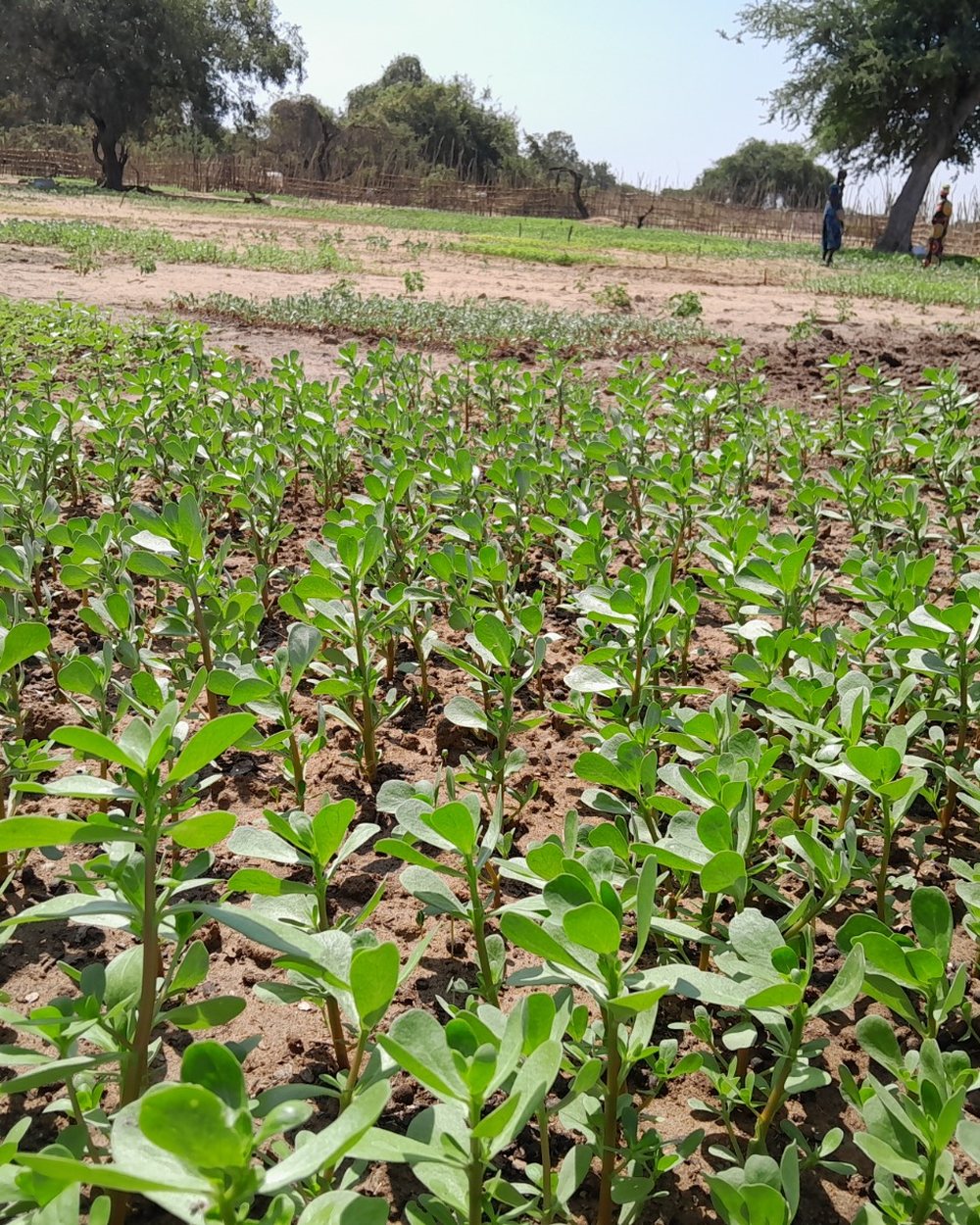
Supporting income generating activities and small business development, enhancing food security through agriculture and livestock, and promoting financial inclusion, savings groups, and economic resilience.
Gender equality and social inclusion
Promoting women's empowerment and leadership, protecting the rights of children, youth, persons with disabilities, and vulnerable groups, and addressing gender based violence through advocacy and support services.
Peacebuilding and social cohesion
Promoting dialogue, reconciliation, and peaceful coexistence, supporting conflict prevention and community mediation, and strengthening youth engagement in peace.
Climate resilience and sustainability
Promoting environmental conservation and sustainable resource management, supporting climate adaptation and disaster risk reduction, and encouraging sustainable agriculture and renewable energy.
Partnerships and institutional strengthening
Building strategic partnerships with government, donors, NGOs, and communities, strengthening organizational systems and staff capacity, and enhancing research, monitoring, evaluation, and learning.
PRESERVE: cold-chain infrastructure the community owns.
In Northern Bahr el Ghazal, a fish landed at dawn is worthless by the following dusk. Between 35 and 60 percent of fish, vegetables, and dairy spoil within 48 hours of harvest because no cold storage exists between the producer and the market. The loss is not only food. It is school fees, medicine, and the working capital a family needs to plant again.
PRESERVE answers with producer cooperative owned, solar powered cold-chain hubs at two anchor sites in Aweil. The engineering is proven. The innovation is the ownership: the cooperatives that use the hubs govern them, set the fees, and keep the margin. Infrastructure that is owned is infrastructure that is maintained, defended, and expanded.
The twelve month proof of concept serves 350 producer households, measures spoilage reduction, income gains, and governance durability, and generates the evidence base for national scale-up. The Stage 1 budget is USD 199,500.
The people at the center.
ALDO prioritizes those most affected by South Sudan's overlapping crises: vulnerable children, including orphans, street connected and displaced children; women and girls, including survivors of gender based violence; youth and adolescents; internally displaced persons and returnees; persons with disabilities; and host communities absorbing the shocks of conflict and climate.
Six states. 2026 to 2030.
Initial operations focus on the states where food insecurity, displacement, and service gaps converge. Northern Bahr el Ghazal anchors the PRESERVE program; the footprint extends across Warrap, Upper Nile, Central Equatoria, Lakes State, and the Abyei Administrative Area.
Gallery
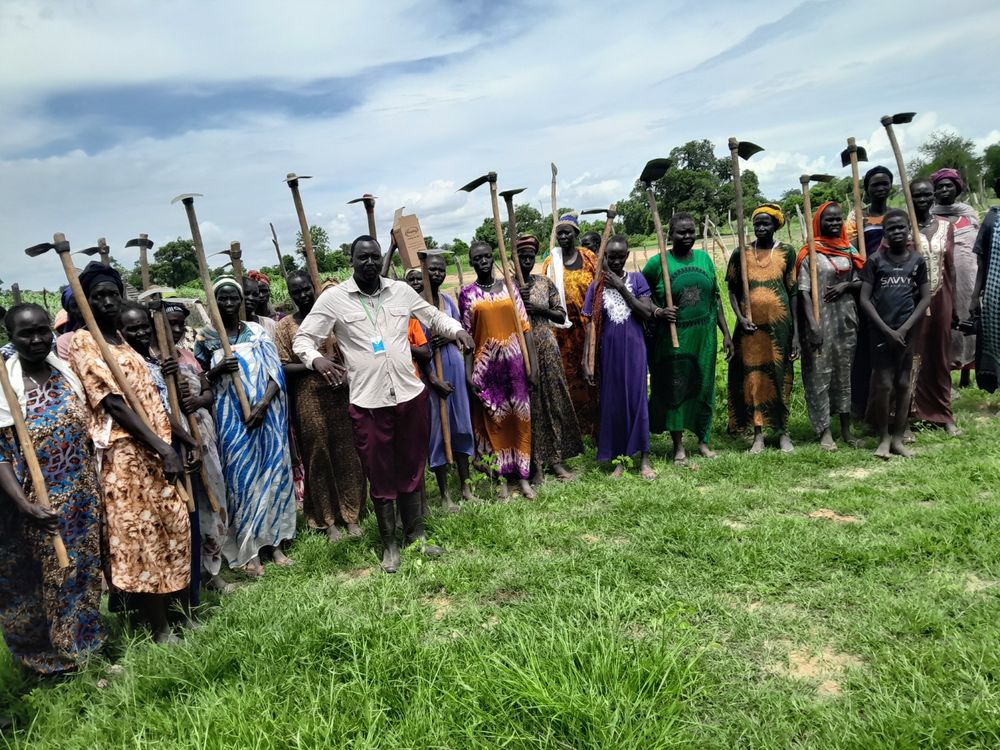
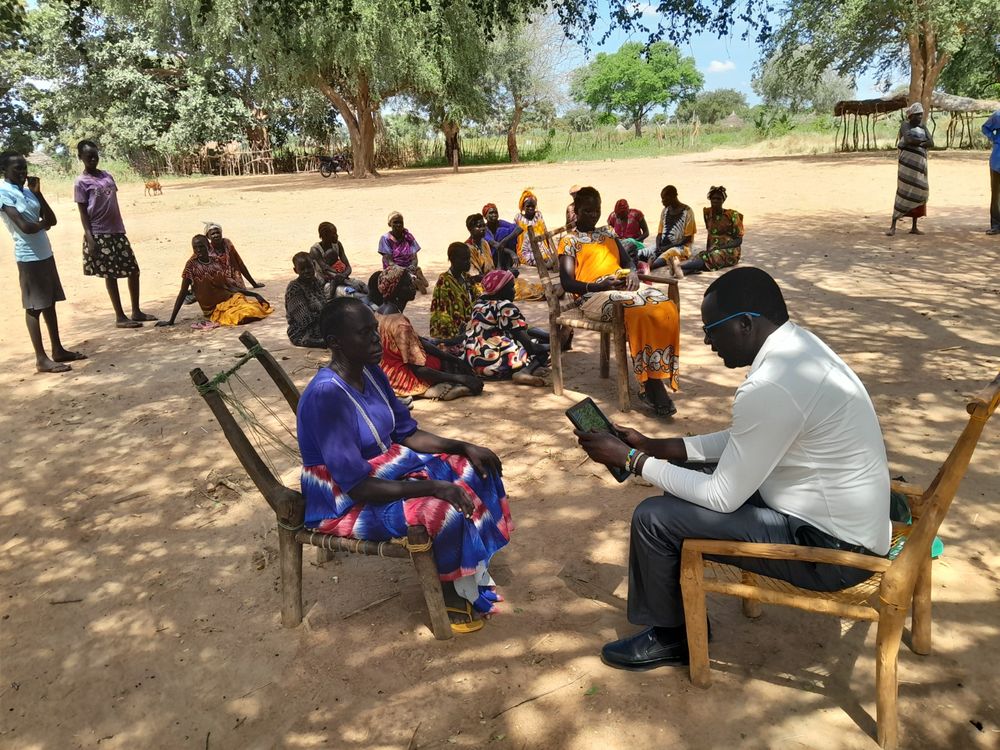
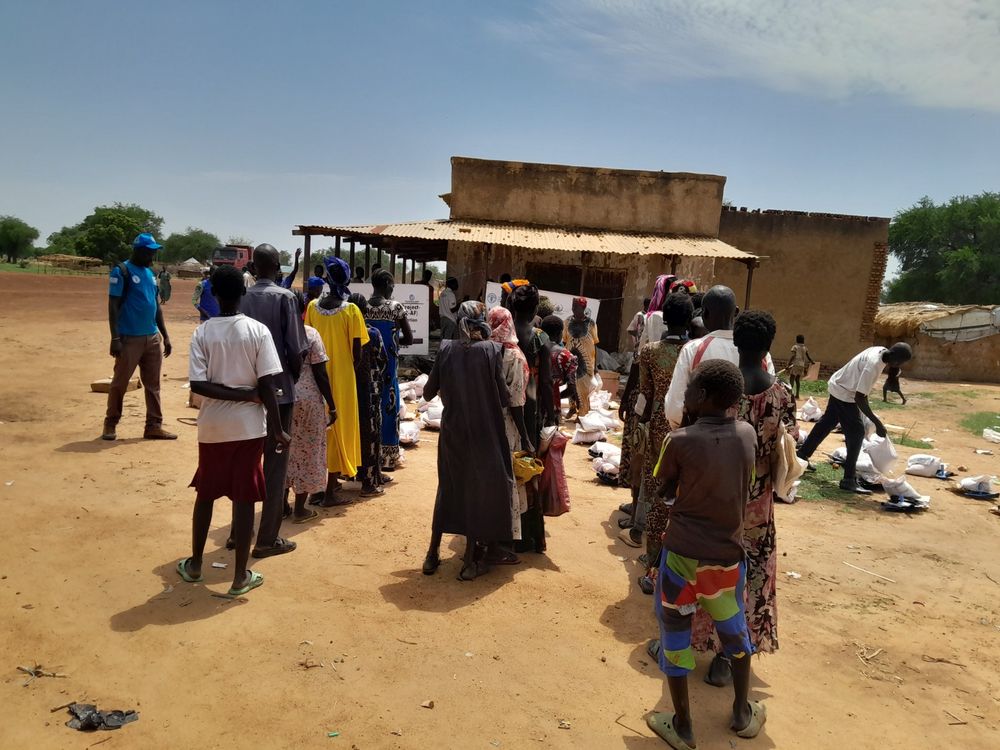
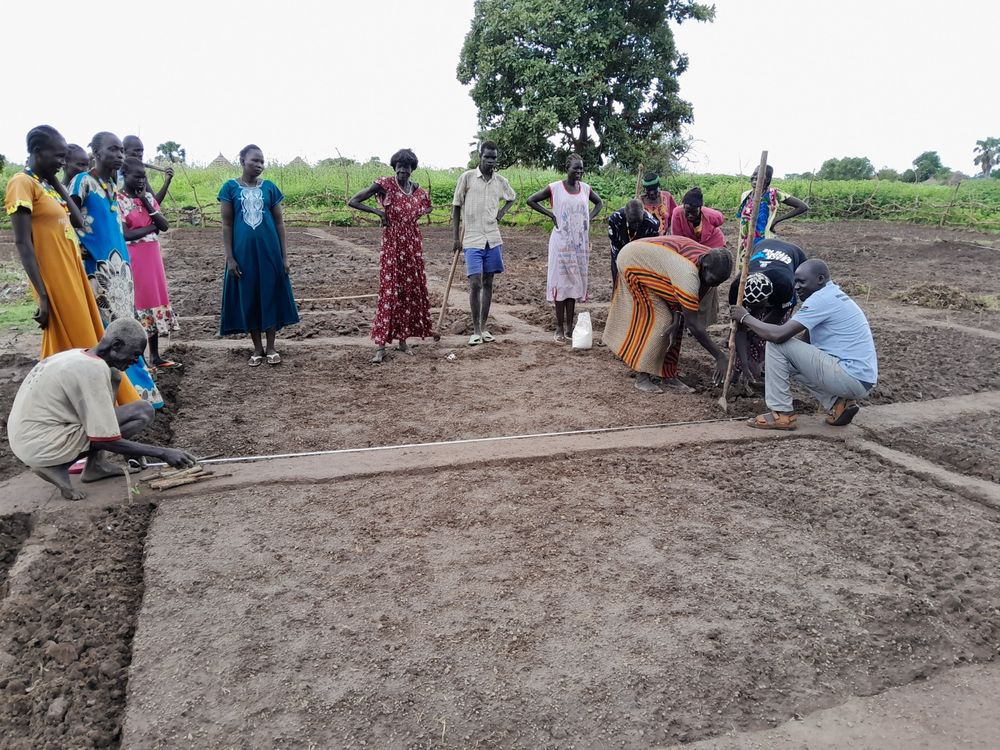
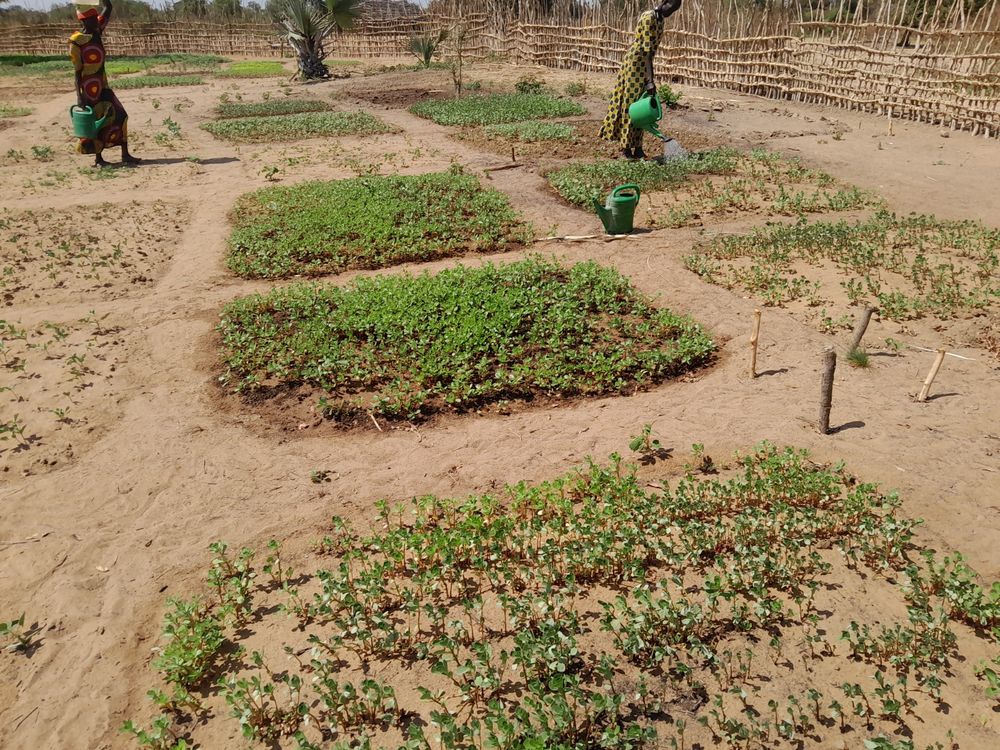
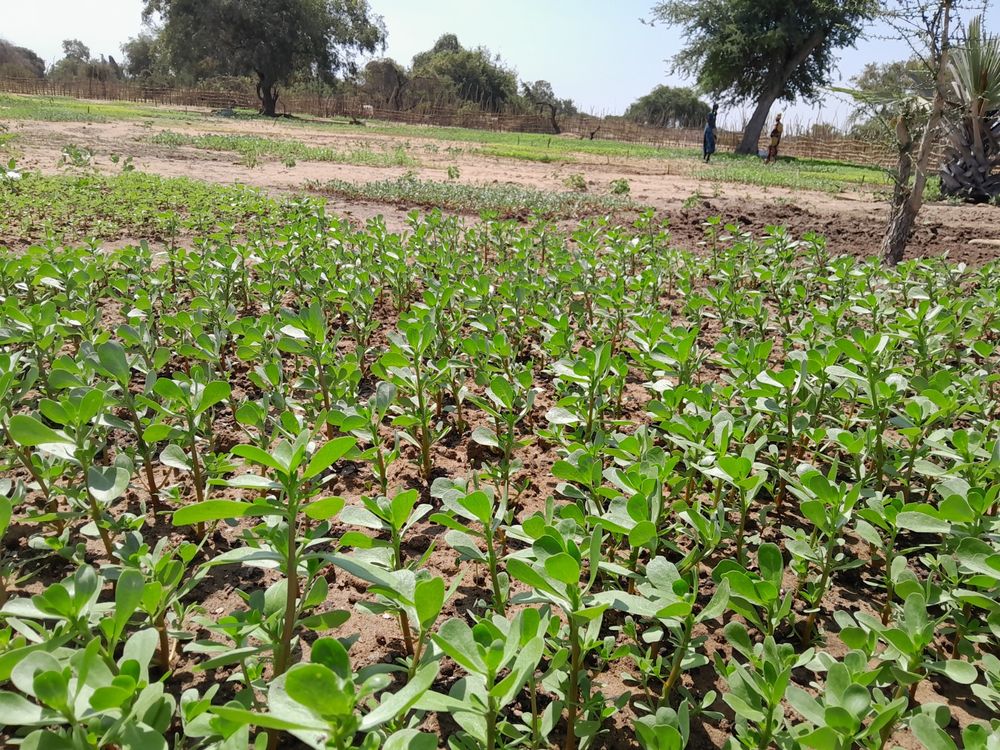
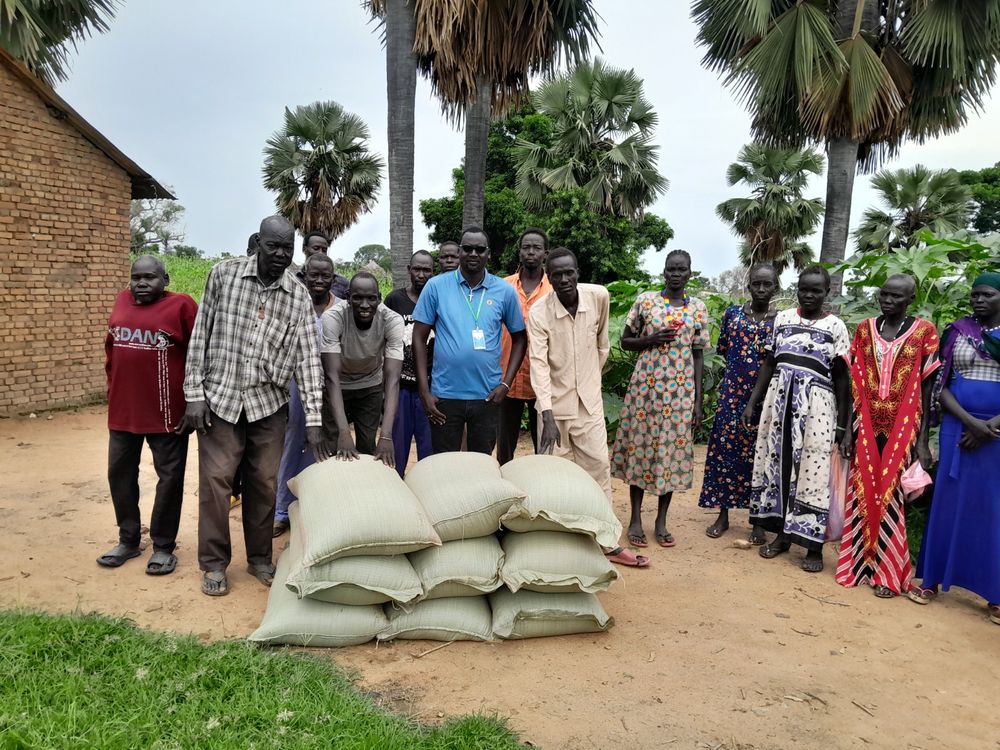
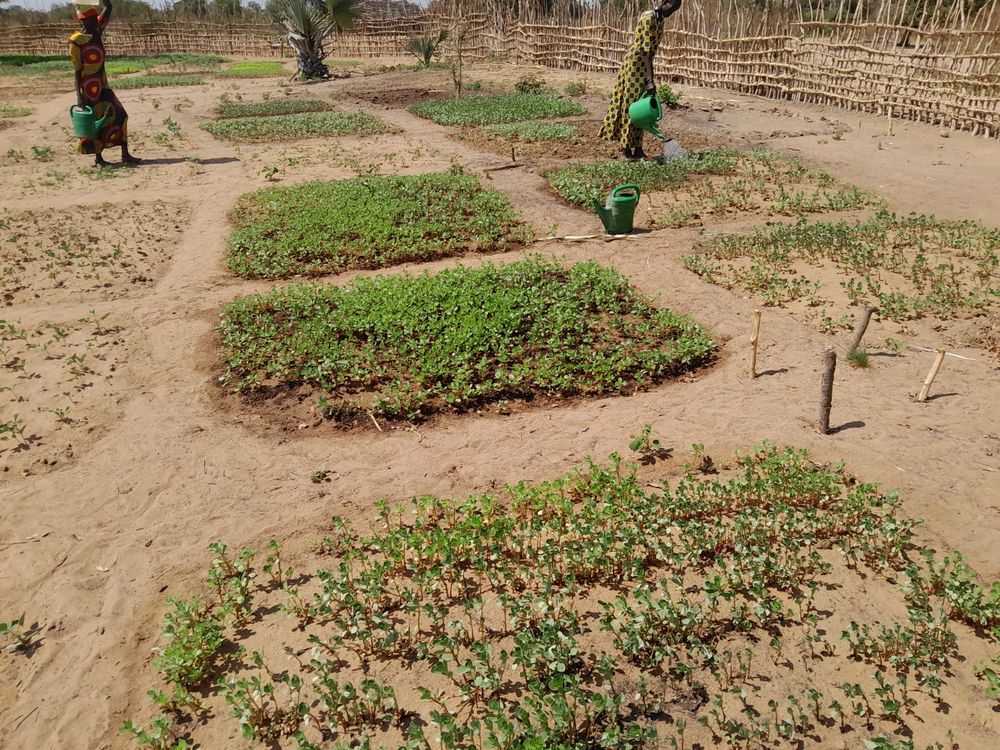
Representative imagery shown at launch. ALDO field photography replaces these frames as programs deploy.
Programs do not fund themselves. People fund them. People like you.
Choose a pillar, fund the flagship, or give where the need is greatest. Every contribution is tracked, reported, and turned into results.